
When homeowners receive an insurance estimate after a hailstorm, many assume the hard part is over. The adjuster inspected the property, documented the damage, and the insurance carrier issued a payment. What else could there be? Quite a lot, actually. Hail Damage Claim Supplements: What Carriers Miss in Their Scope is a topic every property owner should understand because initial insurance estimates are frequently incomplete. Missing roofing components, overlooked labor, code-required upgrades, inaccurate measurements, and hidden storm damage can leave thousands of dollars unpaid.
The surprising part is that these omissions often occur even when the insurance company uses industry-standard software. The issue usually isn’t the software. It’s the scope. I’ve reviewed enough hail claims to know that many disputes aren’t about pricing. They are about whether the estimate includes everything necessary to restore the property properly. If a required item never makes it into the estimate, it doesn’t matter how accurate the pricing may be.
For property owners in Friendswood, where severe weather, high humidity, and Gulf Coast storm patterns create unique claim challenges, understanding supplements can be one of the most valuable parts of the entire insurance process. Let’s examine why supplements matter, what insurance carriers commonly miss, and how Xactimate expertise can uncover hidden claim value.
Understanding Hail Damage Claims
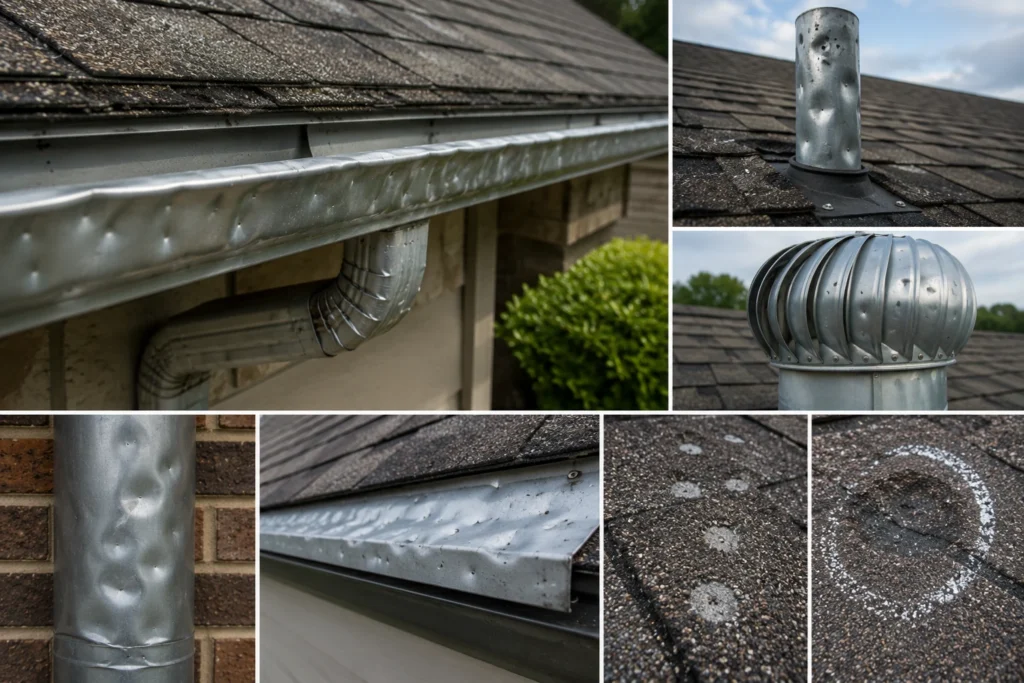
At first glance, hail claims seem straightforward. A storm damages a roof. The insurance company inspects the property. A payment is issued. Repairs begin. Simple. Unfortunately, the reality is rarely that clean. Hailstorms impact multiple building systems simultaneously. While homeowners often focus on shingles, hail can damage vents, flashing, gutters, HVAC systems, window components, siding, paint finishes, and other exterior materials.
Some damage is obvious. Other damage remains hidden until repairs begin. Insurance adjusters often work under significant time pressure after major weather events. Following a widespread hailstorm, carriers may process hundreds or thousands of claims within weeks. Even highly experienced adjusters face practical limitations during inspections. As a result, important details can be missed. That is where supplements enter the process.
What Is a Claim Supplement?
A supplement is an additional request for compensation based on damage, materials, labor, or code requirements that were not included in the original estimate. Many homeowners mistakenly believe supplements indicate an error or dispute.
In reality, supplements are a normal part of property restoration. Roofers submit supplements. Contractors submit supplements. Restoration companies submit supplements. Public adjusters submit supplements. The purpose is simple: ensure the claim accurately reflects the actual scope of work required.
Common reasons for supplements include:
- Additional damage discovered during repairs
- Missing roofing components
- Code-required upgrades
- Incorrect measurements
- Underestimated labor requirements
- Safety-related costs
- Material quantity errors
- Equipment access expenses
A supplement isn’t about inflating a claim. It’s about completing the claim.
Why Hail Claims Generate More Supplements Than Most Other Claims
Hail damage presents unique challenges. Unlike a plumbing leak that affects one room or a broken window affecting one opening, hail impacts entire building systems.
A single storm can affect:
- Roofing materials
- Flashing systems
- Gutters
- Downspouts
- Exterior metals
- HVAC equipment
- Paint finishes
- Screens
- Siding
- Skylights
Each component requires evaluation. Each component may involve separate repair procedures. Each component may require its own Xactimate line items. The more components involved, the greater the chance something gets missed. That is one reason hail claims produce supplements so frequently.
How Insurance Carriers Build Their Initial Scope
Most insurance companies follow a similar estimating process. The adjuster performs an inspection. Measurements are collected. Photographs are taken. Damage observations are documented. The information is entered into Xactimate. An estimate is generated. A payment is issued. While the process sounds comprehensive, several factors can limit estimate accuracy.
Time Constraints
Following major storms, adjusters often inspect multiple properties every day. This volume naturally limits inspection depth.
Access Challenges
Steep roofs create safety concerns. Multi-story structures require additional equipment. Complex roof designs increase inspection difficulty.
Weather Conditions
Cloud cover, moisture, heat, and ongoing storm activity can affect visibility.
Large Claim Volumes
The more claims being processed, the greater the possibility of overlooked details.
Technology Limitations
Aerial measurement tools are useful. However, they are not perfect. Complex roofs frequently generate measurement discrepancies that affect material quantities throughout the estimate.
Understanding Xactimate and Why It Matters
Xactimate is the most widely used property estimating platform in the insurance industry. Insurance carriers use it. Contractors use it. Public adjusters use it. Appraisers use it. The software contains thousands of line items covering labor, materials, demolition, disposal, roofing systems, structural repairs, interior finishes, and much more.
In simple terms, Xactimate serves as the language of insurance claims. When everyone speaks the same language, claim discussions become more productive. However, knowing how to use Xactimate and knowing how to scope damage accurately are two different things. The software only reflects the information entered into it. If critical damage is omitted, the estimate will be incomplete regardless of pricing accuracy.
Pricing Problems vs Scope Problems
Many homeowners assume claim disputes revolve around pricing. That’s rarely the biggest issue. Scope typically creates far larger differences.
Consider this example:
| Item | Carrier Scope | Actual Requirement |
| Roofing Squares | 32 | 36 |
| Starter Shingles | Not Included | Required |
| Ridge Cap | Not Included | Required |
| Drip Edge | Not Included | Required |
| Safety Setup | Not Included | Required |
| Flashing Replacement | Partial | Full |
Even if pricing matches exactly, the scope difference can amount to thousands of dollars. That is why experienced supplement preparation focuses heavily on identifying missing work.
Roofing Components Frequently Missing From Carrier Estimates
One of the most common supplement opportunities involves roofing accessories. Many estimates focus almost entirely on shingles. Modern roofing systems involve much more.
Starter Shingles
Starter shingles help create wind resistance and proper edge sealing. Many manufacturers require them as part of the roofing system. Yet they are frequently omitted.
Ridge Cap Materials
Ridge caps protect roof peaks and provide weather resistance. Because they are exposed to direct impacts, hail damage often appears here first. Replacement is commonly necessary.
Hip and Ridge Components
Complex roof designs contain substantial hip and ridge materials that may not be fully accounted for.
Drip Edge
Drip edge protects roof edges from water intrusion. Current codes often require installation. Many older roofs lack drip edge altogether. When replacement occurs, code compliance may require its addition.
Valley Components
Roof valleys channel significant water flow. Damaged valley metal or valley lining can compromise performance. These materials are frequently overlooked.
Roof Vents
Ventilation components may include:
- Static vents
- Ridge vents
- Turtle vents
- Turbine vents
- Power vents
Each may require replacement following hail damage.
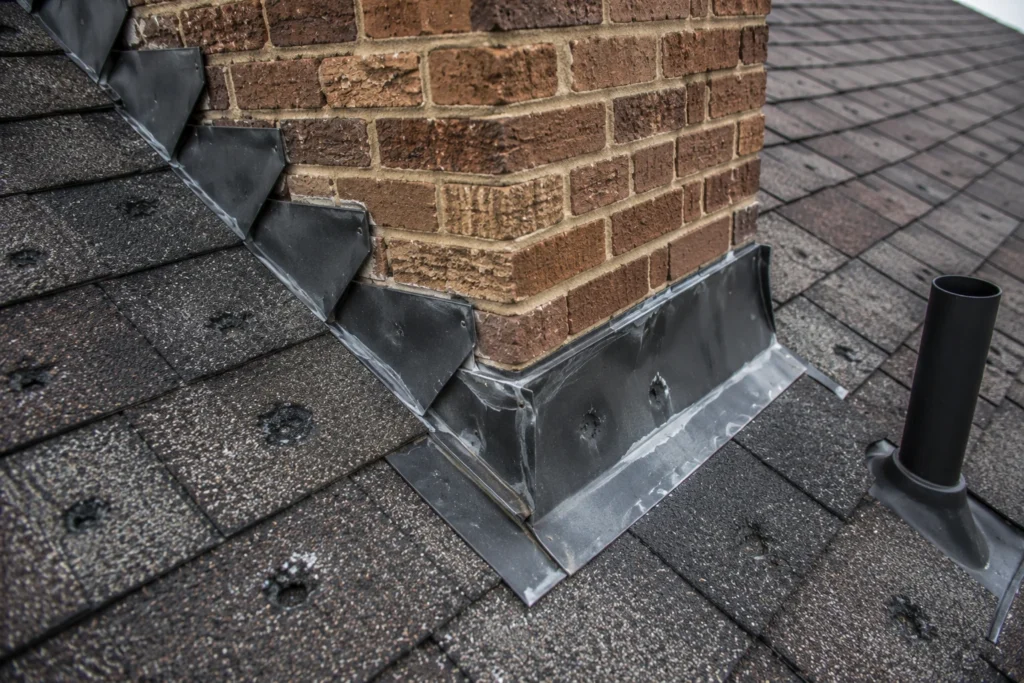
Flashing Components Commonly Missed
Flashing is one of the most overlooked categories in hail claims. This is surprising because flashing plays a critical role in preventing water intrusion.
Common flashing items include:
- Step flashing
- Counter flashing
- Apron flashing
- Chimney flashing
- Wall flashing
- Pipe jack flashing
Many roofing projects require flashing replacement when roofing materials are removed. Failure to include these components creates restoration gaps. A roof may appear repaired while remaining vulnerable to future leaks.
Soft Metal Damage Often Tells the Real Story
Soft metal damage frequently becomes one of the strongest pieces of claim evidence. Why? Because hail leaves visible impacts. Dented metals often demonstrate storm intensity.
Common examples include:
- Gutters
- Downspouts
- Roof vents
- Turbine vents
- Flashing
- Metal roof accessories
These impacts often support broader conclusions regarding roof damage. Yet soft metal components are frequently under-scoped or omitted entirely.
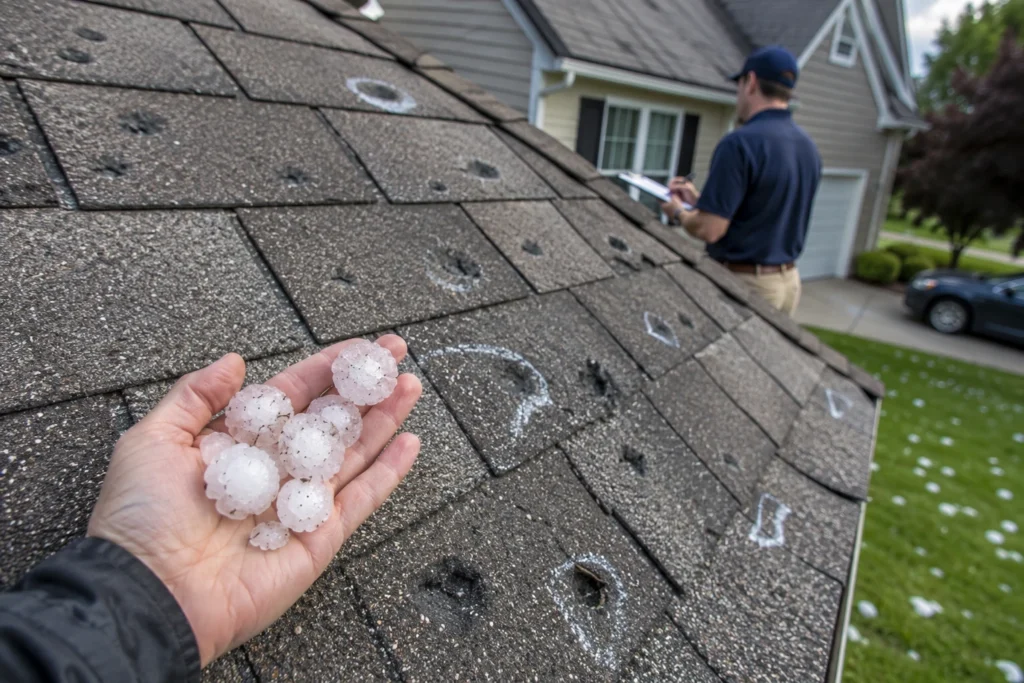
Hidden Roof Damage That Appears Later
Not all hail damage is immediately visible. Some forms of damage remain concealed beneath surface layers.
Granule Loss
Protective granules shield shingles from ultraviolet exposure. Hail can displace those granules.
Bruising
Underlying mat damage may exist even when surface damage appears minimal.
Fractures
Impacts can weaken shingle integrity.
Delamination
Layer separation reduces long-term performance.
These conditions often require closer examination than a standard inspection provides.
Code Upgrades Insurance Estimates Frequently Miss
Building codes change constantly. A roof installed fifteen years ago may not meet current requirements. That creates supplement opportunities. Common code-related items include:
Drip Edge Requirements
Many jurisdictions require drip edge installation during replacement.
Underlayment Standards
Updated underlayment requirements may apply.
Ventilation Improvements
Improper ventilation may require correction.
Fastener Requirements
Modern fastening standards may differ significantly from older systems.
Ice and Water Protection
Certain roof areas may require additional protection. For those interested in complex systems and how individual components interact to create larger outcomes, the concept of Synergetics offers an interesting perspective. Roofing systems function similarly because every component contributes to overall performance. Code compliance can significantly affect claim value. Ignoring these requirements often leads to underpayments.
Labor Items Frequently Missing From Initial Scopes
Materials receive attention. Labor often does not. This creates substantial supplement opportunities.
Detach and Reset Operations
Many roofs contain attached items requiring temporary removal.
Examples include:
- Satellite dishes
- Security cameras
- Solar panels
- Decorative lighting
- Gutters
Removing and reinstalling these components requires labor.
Steep Roof Charges
Steep roofs increase risk and labor complexity. Additional compensation is often justified.
High Roof Charges
Multi-story properties frequently require special access procedures.
Safety Requirements
Safety-related costs may include:
- Harness systems
- Anchors
- Guardrails
- Lift equipment
- Fall protection
These expenses are necessary and legitimate.
Measurement Errors Can Create Thousands in Missing Value
Measurement accuracy affects nearly every estimate category. Small mistakes compound quickly. If a roof measures 40 squares instead of 36 squares, the impact extends beyond shingles.
It affects:
- Underlayment
- Starter shingles
- Ridge materials
- Labor
- Waste factors
- Disposal costs
The entire estimate changes.
Aerial Measurement Issues
Technology is helpful. Technology is not perfect. Complex roof geometries often create discrepancies.
Waste Factor Problems
Waste calculations frequently become supplement discussions.
Factors affecting waste include:
- Roof complexity
- Valleys
- Dormers
- Hips
- Architectural details
Underestimating waste reduces material quantities and claim value.
Real-World Examples of Underpaid Hail Claims
Consider a typical residential claim. The carrier estimates a roof replacement. The estimate appears reasonable. Then a contractor begins reviewing details.
The contractor identifies:
- Missing starter shingles
- Missing ridge materials
- Incorrect measurements
- Omitted flashing
- Missing steep charges
- Underestimated waste
Individually, each item may appear minor. Collectively, they can add thousands of dollars. Now multiply that impact across larger properties. The financial consequences become substantial. This is why detailed scope reviews matter.
How Public Adjusters Build Strong Supplements
Effective supplements begin with thorough documentation. Every damaged component must be identified. Every measurement must be verified. Every code issue must be supported.
Typical supplement documentation includes:
| Documentation | Purpose |
| Photographs | Damage evidence |
| Measurements | Quantity verification |
| Contractor reports | Independent support |
| Code references | Compliance justification |
| Manufacturer specifications | Replacement support |
| Xactimate estimates | Scope presentation |
The goal is clarity. The stronger the documentation, the stronger the supplement.
The Supplement Negotiation Process
Submitting a supplement is only part of the process. Negotiation often follows.
Carrier Review
The insurance company evaluates supporting documentation.
Reinspection
Additional inspections may occur.
Scope Discussions
Parties compare findings and supporting evidence.
Resolution
Approved items are incorporated into the claim. Successful negotiations focus on facts. Documentation wins far more often than opinions.
Why Friendswood Property Owners Should Pay Special Attention
Properties in Friendswood face unique environmental conditions. Hail frequently arrives with strong winds. Storms may occur repeatedly over time. Humidity accelerates deterioration. Roof systems often experience overlapping weather-related stress.
These conditions can complicate claim evaluations. A quick inspection may overlook important details. A detailed supplement review often uncovers additional scope requirements. That is one reason homeowners in Friendswood frequently benefit from careful estimate analysis.
Common Mistakes That Reduce Claim Settlements
Many underpayments are avoidable.
Common mistakes include:
Accepting the First Estimate Without Review
Initial estimates should always be examined carefully.
Focusing Only on the Payment Amount
The scope matters more than the total.
Ignoring Contractor Feedback
Experienced contractors often identify missing items.
Failing to Document Damage
Photographs remain valuable throughout the process.
Waiting Too Long
Delays can complicate claim resolution. This becomes especially important when researching topics such as What to Do If Your Hail Claim Was Denied, where documentation and timing frequently influence available options.
The Financial Impact of Proper Supplements
Supplements often reveal substantial missing value. A missing ridge cap. An omitted flashing system. A code-required upgrade. An incorrect measurement. Individually, these items may appear insignificant. Together, they can dramatically change settlement outcomes. More importantly, accurate supplements help ensure repairs are completed correctly. The goal isn’t simply obtaining additional money. The goal is restoring the property.
Why Xactimate Expertise Produces Better Results
Xactimate is a powerful tool. However, tools are only as effective as the people using them.
Experienced estimators understand:
- Construction methods
- Roofing systems
- Code requirements
- Measurement standards
- Documentation procedures
That knowledge allows them to identify missing scope and present it effectively. The discussion becomes evidence-based rather than opinion-based. Measurements replace assumptions. Documentation replaces speculation. Facts replace frustration.
Conclusion
Hail claims rarely end with the initial estimate. In many cases, the first scope represents only part of the damage picture. Missing roofing accessories, overlooked flashing, code-required upgrades, labor omissions, measurement discrepancies, and hidden damage frequently create gaps between the insurance estimate and the actual cost of restoration. The issue is usually not pricing. It is scope. That distinction matters because incomplete scopes lead directly to incomplete settlements.
A properly prepared supplement identifies every damaged component, verifies every quantity, documents every code requirement, and presents the information in a format insurance carriers understand. Xactimate serves as the industry standard for that process, but expertise determines whether the estimate truly reflects the loss. For homeowners in Friendswood, where severe weather patterns create complex claim scenarios, reviewing the original estimate carefully can make a significant financial difference. A detailed supplement often uncovers overlooked damage, missing labor, and code-related requirements that materially affect settlement value.
Ultimately, the purpose of a supplement is not to inflate a claim. It is to complete it. When the scope is accurate, the settlement has a far better chance of being accurate as well. That is the foundation of every successful hail damage claim and the reason Xactimate expertise remains one of the most valuable tools in the property insurance industry.
FAQs
A hail damage claim supplement is a request for additional payment when damage, labor, or materials were omitted from the original insurance estimate.
Adjusters often work under time constraints, challenging inspection conditions, and high claim volumes after major storms.
Yes. Supplements are a common part of property claims when additional damage or required repairs are discovered.
Xactimate is the industry-standard estimating software used by insurers, contractors, and public adjusters to prepare property damage estimates.
Starter shingles, ridge caps, flashing, drip edge, roof vents, and valley materials are frequently overlooked.
Yes. If current codes require additional materials or installation methods, those costs may be eligible for coverage depending on the policy.
Incorrect roof measurements can reduce material quantities, labor costs, waste factors, and the overall claim settlement.
Photographs, contractor reports, measurements, code references, and detailed Xactimate estimates strengthen supplement requests.
Yes. Damage discovered during repairs or through more detailed inspections may qualify for supplemental consideration.
Absolutely. A thorough review can identify missing scope items and help ensure the settlement reflects the full cost of restoration.