
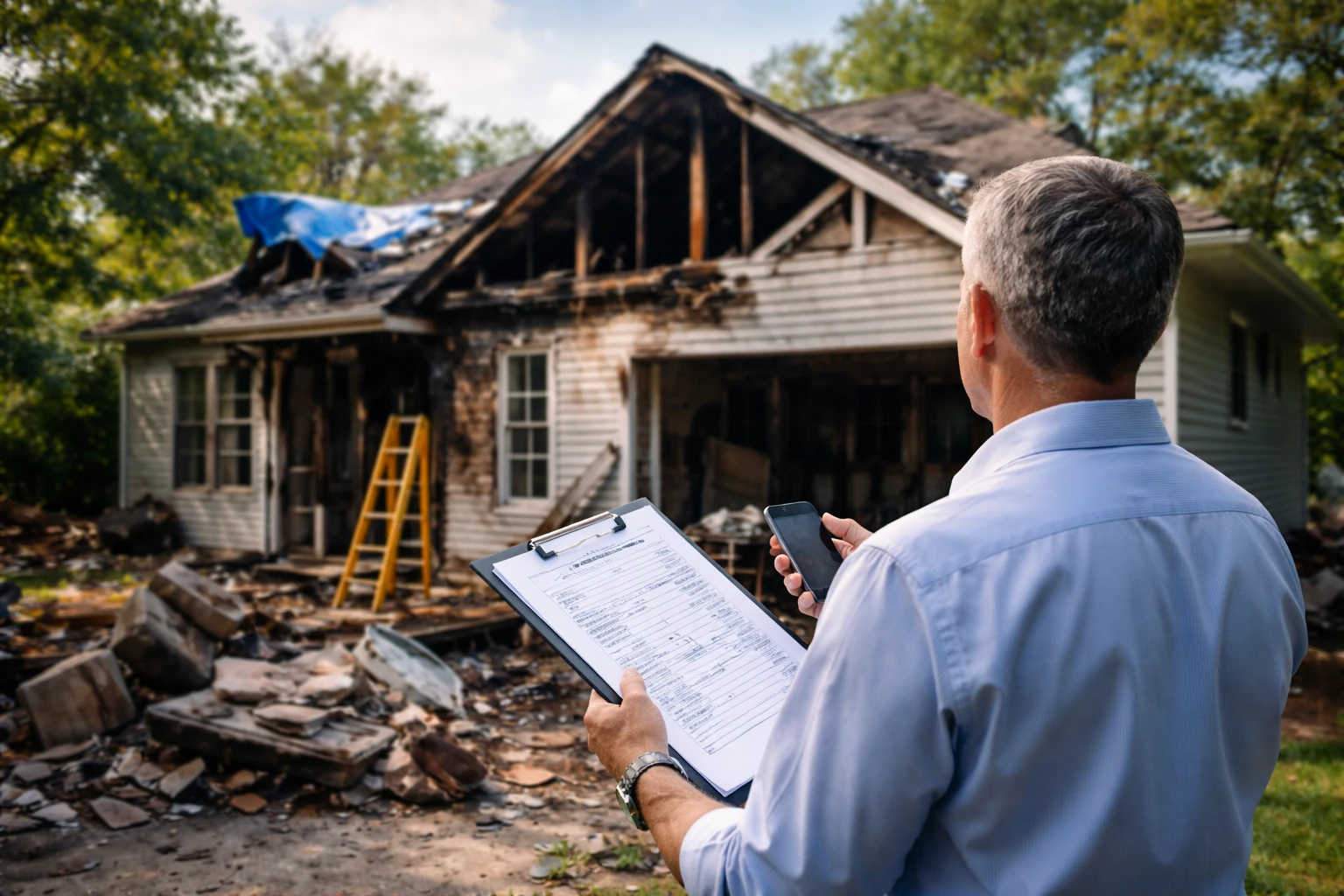
Property damage can flip life upside down in a single afternoon. One storm. One burst pipe. One unexpected fire. Suddenly you’re documenting damage, calling your insurance company, and trying to make sense of a policy you probably haven’t read in years. And somewhere in that process, a question pops up: should I use a public adjuster?
It’s a fair question. Insurance claims can be confusing. Estimates don’t always match repair costs. And many homeowners in Friendswood discover that navigating the claim process is almost a full-time job.
So let’s break it down clearly. No fluff. Just practical information to help you decide whether hiring a public adjuster is the right move for your situation.
Understanding What a Public Adjuster Actually Does
A public adjuster is a licensed professional who represents you—the policyholder—during an insurance claim. Their job is simple in concept but complex in practice: evaluate damage, prepare documentation, and negotiate with the insurance company to help secure a fair settlement.
The key word here is public.
Unlike insurance company adjusters, public adjusters work directly for homeowners or business owners. Their loyalty sits with the policyholder, not the insurer.
When people ask, should I use a public adjuster, they’re really asking whether bringing in an expert advocate will improve their claim outcome. And sometimes, the answer is yes.
But not always.
First, it helps to understand how adjusters fit into the broader insurance ecosystem.
Types of Adjusters Explained
| Type of Adjuster | Who They Work For | Main Objective |
| Insurance Company Adjuster | Insurance company | Protect insurer interests |
| Independent Adjuster | Contracted by insurer | Evaluate damage for insurer |
| Public Adjuster | Policyholder | Maximize claim payout |
Insurance company adjusters evaluate damage from the insurer’s perspective. Public adjusters analyze the same damage from the homeowner’s perspective.
That difference matters.
The Insurance Claim Process: Where Things Often Go Wrong

Insurance claims follow a predictable sequence. But within that sequence, many issues can arise.
Step 1: Reporting the Damage
After property damage occurs, the first step is filing a claim with your insurer. This triggers the claims process.
Sounds simple. It rarely stays that way.
Step 2: Insurance Inspection
An insurance adjuster visits your property to assess the damage. They document visible issues and prepare an estimate for repairs.
But estimates can vary. Sometimes dramatically.
Step 3: Settlement Offer
Once the inspection is complete, the insurer issues a settlement based on the adjuster’s report and your policy coverage.
Here’s where homeowners often pause and ask:
Should I use a public adjuster if the insurance offer feels low?
That question comes up more often than you might think.
Why Insurance Claims Become Complicated
Most homeowners assume insurance claims are straightforward. Unfortunately, many factors can complicate the process.
Some common examples include:
- Incomplete damage assessments
- Disputes over repair costs
- Depreciation deductions
- Policy exclusions
- Hidden structural damage
The reality is that insurance policies are detailed legal documents. Interpreting them correctly requires careful attention to language and coverage limits.
This complexity is why many homeowners begin researching whether they should use a public adjuster during difficult claims.
Should I Use a Public Adjuster? Situations Where It Makes Sense
Not every insurance claim requires outside help. But some situations strongly favor professional representation.
Let’s look at the most common scenarios.
Large or Complex Property Damage
Major damage claims involve layers of inspection, estimates, and documentation.
Examples include:
- Fire damage
- Hurricane damage
- Structural collapse
- Severe water damage
- Roof destruction from hail or wind
Large claims often involve multiple contractors, engineers, and inspectors. A public adjuster can help coordinate documentation and ensure all damage is included.
If your claim is substantial, asking should I use a public adjuster becomes a practical decision rather than a theoretical one.
When the Insurance Settlement Appears Too Low
Sometimes the first insurance offer simply doesn’t match real repair costs.
You might notice issues like:
- Missing repair items
- Underestimated material costs
- Ignored structural damage
- Outdated pricing estimates
A public adjuster can prepare a detailed claim package that accounts for the full scope of repairs.
And that documentation can strengthen negotiations.
When Your Claim Is Denied
Denied claims are frustrating. But they aren’t always final.
Insurance companies deny claims for reasons such as:
- Insufficient documentation
- Disputed cause of damage
- Policy exclusions
- Incomplete inspection
A public adjuster may review the denial and determine whether the claim can be reopened or supplemented.
If your claim hits this roadblock, the question should I use a public adjuster becomes especially relevant.
When You Don’t Have Time to Manage the Claim
Insurance claims require paperwork. Lots of it.
Expect to handle:
- Damage inventories
- Contractor estimates
- Insurance correspondence
- Documentation requests
- Supplemental claims
For homeowners juggling work, family, and repairs, managing this process alone can be overwhelming.
A public adjuster takes on much of that workload.
Key Benefits of Hiring a Public Adjuster
The biggest advantage of hiring a public adjuster is expertise. Claims professionals understand how insurers evaluate property damage.
That insight can help homeowners avoid costly mistakes.
Detailed Claim Documentation
Public adjusters prepare thorough damage reports that include:
- Photographic evidence
- Line-item repair estimates
- Structural assessments
- Damage inventories
Strong documentation strengthens claims.
Negotiation Experience
Insurance negotiations require patience and persistence.
Public adjusters communicate directly with insurance representatives, present supporting evidence, and negotiate settlement adjustments when needed.
That advocacy can make a difference.
Reduced Stress for Homeowners
Let’s be honest. Insurance claims are stressful.
Between repair decisions, financial concerns, and communication with insurers, homeowners often feel overwhelmed.
A public adjuster becomes the central point of contact for the claim.
And that alone can bring relief.
Potential Drawbacks to Consider
Public adjusters provide valuable services, but they aren’t always necessary.
Before deciding should I use a public adjuster, it’s important to consider the potential downsides.
Public Adjuster Fees
Most public adjusters work on a contingency fee, meaning they receive a percentage of the claim settlement.
Typical fees range from:
- 10% of the claim payout
That means homeowners should weigh the cost against potential settlement improvements.
Small Claims May Not Need Representation
Minor claims—such as small roof repairs or limited water damage—may not justify hiring a public adjuster.
If the claim is straightforward and the insurer responds quickly, you may not need outside help.
How Public Adjusters Help Maximize Claim Settlements
Insurance estimates sometimes overlook hidden or secondary damage.
Public adjusters focus on identifying those issues before repairs begin.
Hidden Damage Identification
Examples include:
- Structural framing damage
- Electrical system impact
- Smoke residue contamination
- Moisture trapped in walls
- Insulation damage
Addressing hidden damage early prevents expensive surprises later.
Comprehensive Claim Estimates
Public adjusters typically prepare estimates using professional pricing software that reflects real construction costs.
Their estimates include:
- Labor
- Materials
- Debris removal
- Code compliance upgrades
- Contractor overhead
This level of detail strengthens claim negotiations.
Settlement Negotiation
After the claim package is submitted, public adjusters negotiate with the insurance company to reach a fair settlement.
The process may involve multiple revisions and supplemental claims.
But persistence matters.
How to Decide if Hiring One Is Right for You
Still wondering, should I use a public adjuster?
Start by asking yourself a few key questions.
Quick Self-Assessment
- Is the damage significant?
- Do repair estimates exceed initial insurance offers?
- Are you comfortable reviewing insurance policy language?
- Do you have time to manage the claim process?
If several answers raise concerns, professional representation may be helpful.
Choosing the Right Public Adjuster in Friendswood
Not all adjusters operate the same way. Selecting a qualified professional is essential.
Verify Licensing
Public adjusters in Texas must be licensed by the state.
Confirm credentials before signing any agreement.
Review Reputation
Look for:
- Online reviews
- Client testimonials
- Local referrals
- Claim success stories
Reputation matters in claims work.
Ask About Their Process
Before hiring, ask questions such as:
- How do you document damage?
- How often will you update me?
- What percentage fee do you charge?
- How long do claims typically take?
Clear communication builds trust.
Why Friendswood Homeowners Often Seek Public Adjusters
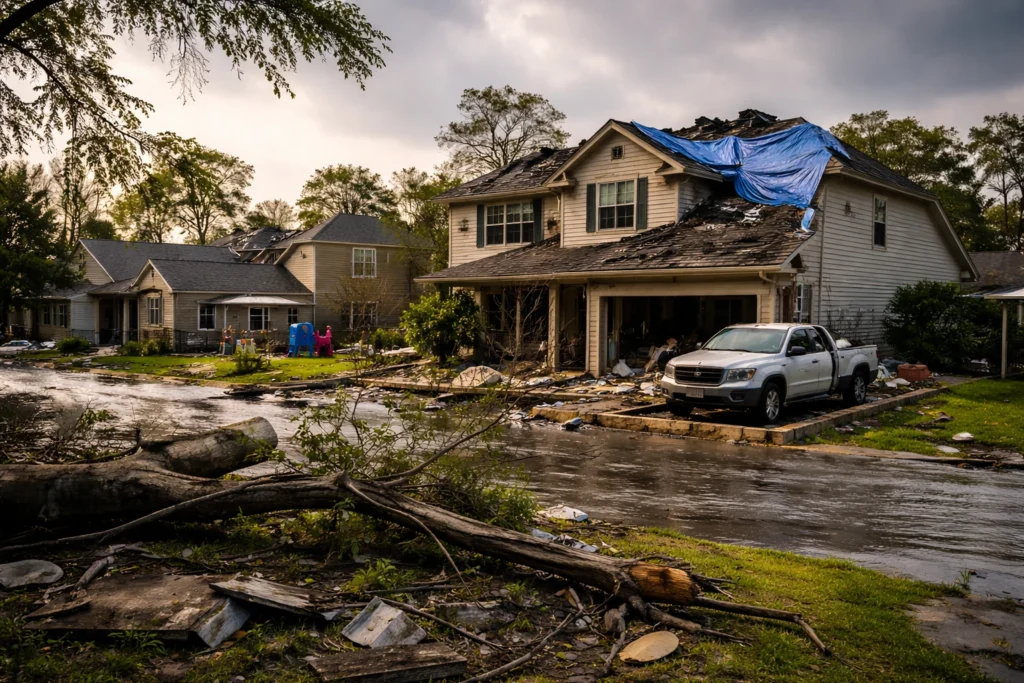
Friendswood sits within a region prone to severe weather.
That means insurance claims are not uncommon.
Some of the most frequent property damage causes in the area include:
- Gulf Coast hurricanes
- Windstorms
- Hail damage
- Flooding
- Roof failures during storms
These types of events often result in complex claims involving roofing systems, structural components, and water intrusion.
For large storm events, many homeowners begin researching whether they should use a public adjuster to help manage the process.
What Happens After Hiring a Public Adjuster
Hiring a public adjuster starts a structured process designed to strengthen your claim.
Initial Inspection
The adjuster conducts a comprehensive inspection that may include:
- Exterior structural review
- Interior damage documentation
- Moisture detection
- Photographic evidence
Claim Preparation
Next, the adjuster compiles a full claim package.
This may include repair estimates, contractor consultations, and policy coverage analysis.
Insurance policies themselves are complex legal documents governed by principles of indemnity, meaning the goal is to restore the policyholder to their pre-loss financial condition.
Understanding how that principle applies to your claim can influence settlement negotiations.
Negotiation Phase
Once documentation is submitted, the adjuster communicates directly with the insurance company to resolve settlement disputes.
This phase may include:
- Revised estimates
- Supplemental claims
- Additional inspections
Claims sometimes take weeks or months depending on complexity.
Patience helps.
Final Thoughts: Should I Use a Public Adjuster?
The answer depends on your situation.
If your claim is small and straightforward, you may not need professional assistance. But when property damage is significant, insurance estimates feel incomplete, or negotiations stall, hiring a public adjuster can provide valuable expertise.
Insurance claims are rarely simple. And homeowners shouldn’t feel pressured to navigate the process alone.
So when you ask yourself should I use a public adjuster, consider the size of the damage, the complexity of the claim, and the time you’re willing to dedicate to the process.
Sometimes the smartest move is bringing in a professional who knows exactly how the system works.
FAQs
A public adjuster is a licensed professional who represents the policyholder during an insurance claim. They help evaluate damage, prepare documentation, and negotiate with the insurance company.
No, not every claim requires one. Public adjusters are most useful for large, complicated, or disputed claims where the settlement amount may be unclear.
Most public adjusters work on a contingency fee, meaning they receive a percentage of the final claim settlement. This fee is usually agreed upon before any work begins.
Yes, a public adjuster can review your claim, analyze the denial, and determine whether additional documentation or negotiation may reopen the case.
They often assist with claims involving fire damage, storm damage, water damage, hurricane damage, and large structural losses.
If repair estimates from contractors are significantly higher than the insurance company’s offer, it may indicate the claim was undervalued.
Yes, public adjusters must be licensed by the state of Texas and follow state regulations governing insurance claims representation.
It is often best to hire one early in the claim process, especially if the damage is extensive or the claim appears complex.
While they cannot control insurance company timelines, they can streamline documentation and communication, which may help move the claim forward more efficiently.
Look for a licensed professional with strong reviews, clear communication, and experience handling claims similar to your situation.